Article: Beyond Notifications and Fitness Tracking What Makes a Smartwatch Worth Wearing
Beyond Notifications and Fitness Tracking What Makes a Smartwatch Worth Wearing
A smartwatch can do considerably more than display the time. It can help you keep track of daily activity, monitor selected health measurements, manage notifications and stay connected without constantly reaching for your phone. For some people, it becomes an essential part of their daily routine. For others, it is a convenient alternative to checking their smartphone throughout the day.
With so many models offering different combinations of technology, design and fitness features, finding the best smart watches requires more thought than simply choosing the newest release. Compatibility, battery performance, comfort and the features you will genuinely use all play an important role. The right choice should complement your lifestyle rather than leave you paying for functions you rarely need.
Key Takeaways
-
Smartphone compatibility should be your first consideration when comparing smartwatches.
-
Battery life varies considerably depending on the operating system, display and sensors being used.
-
GPS, heart rate monitoring and workout tracking are useful features for people with active lifestyles.
-
Water resistance ratings should be checked before swimming or exposing a watch to water.
-
Case dimensions, strap materials and display readability influence everyday comfort.
-
Health measurements from consumer wearables are useful for general awareness but should not replace professional medical advice.
-
The most expensive smartwatch is not automatically the best choice for every buyer.
Understanding What Separates a Smartwatch From a Regular Watch
A traditional wristwatch primarily serves as a timekeeping accessory, although many models include additional functions such as chronographs, date displays and multiple time zones. A smartwatch takes a different approach by combining a digital display, electronic sensors, wireless connectivity and software into a wearable device.
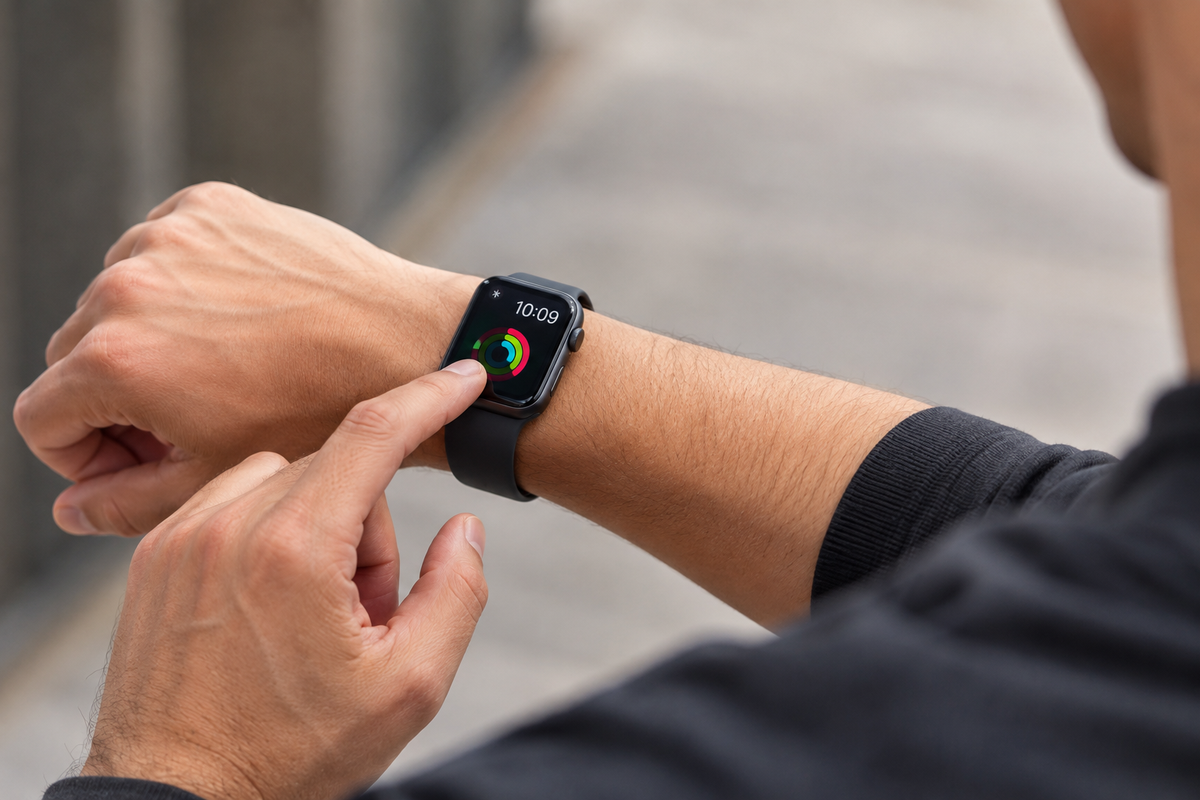
Depending on the model, users can receive smartphone notifications, answer calls, control music, access navigation, record workouts and review health-related measurements. Some devices also support downloadable applications, contactless payments and voice assistants. However, the availability of these functions depends on the manufacturer, software platform, smartphone compatibility and regional support.
It is also worth understanding the difference between a smartwatch and a digital watch. A digital watch displays time electronically, but that does not necessarily mean it connects to a smartphone or runs applications. Buyers interested in a simpler electronic timepiece can explore digital watches as a separate category.
Smartphone Compatibility Should Come Before Everything Else
One of the easiest mistakes when shopping for a smartwatch is overlooking its operating system requirements. Not every smartwatch works with every smartphone, and even when a connection is possible, certain features may be restricted.
Apple Watch models are designed to work with compatible iPhones, while Google Pixel Watch models are intended for Android phones. Samsung Galaxy Watch compatibility also depends on the particular model and phone, with some health features requiring a Samsung Galaxy smartphone. Garmin and several other manufacturers offer models that support both iOS and Android, although the available functions can differ between platforms.
Before purchasing, check the manufacturer's official compatibility information and minimum software requirements. Consider whether you want to receive notifications, respond to messages, make calls or synchronise fitness information. If you are still comparing different types of wristwear, browsing men's watches and women's watches can also help you consider how traditional watch styles compare with technology-focused designs.
The Features That Make a Real Difference Every Day
A long list of specifications does not necessarily make a smartwatch useful. The most valuable functions are those that solve everyday problems or support activities you already enjoy. For someone with a busy schedule, notifications, calendar reminders and call controls may be more important than advanced workout statistics. Someone who exercises regularly may place greater importance on GPS, heart rate monitoring and training information.
Consider these commonly available smartwatch features before deciding which functions deserve priority:
-
Heart rate monitoring: Optical sensors can estimate heart rate throughout the day and during exercise.
-
GPS tracking: Built-in GPS can record outdoor routes and distance without relying entirely on a connected smartphone.
-
Sleep tracking: Supported devices estimate sleep duration and patterns using movement and other available sensor information.
-
Notifications: Calls, messages and app alerts can appear directly on the watch.
-
Music controls: Some models allow users to control playback or store music for compatible wireless headphones.
-
Contactless payments: Supported devices can make payments through compatible digital wallet services.
-
Workout modes: Different activity profiles help organise exercise records and performance information.
Not every model includes every feature. Even when two watches advertise similar capabilities, their accuracy, presentation and available software can differ. Compare the actual specifications instead of relying solely on marketing descriptions.
Battery Life Can Change Your Entire Experience
Battery performance deserves serious consideration because it affects how conveniently a smartwatch fits into your routine. Some feature-rich models require frequent charging, while fitness-oriented wearables can operate for several days or longer under suitable settings.
Display brightness, always-on screen functions, GPS usage, cellular connectivity and continuous sensor monitoring can all affect battery consumption. Manufacturer battery estimates are generally based on particular usage conditions, so actual results may be shorter depending on how the device is configured.
Think about your charging habits before making a decision. If you want to wear a device overnight for sleep tracking, a watch that needs charging every evening may require more planning. Buyers who regularly travel or spend time outdoors may prefer longer battery performance over additional applications or display features.
Health and Fitness Tracking Without the Guesswork
Smartwatches have become popular among people who want a clearer picture of their daily activity. Depending on the device, they can record steps, estimate calories burned, monitor heart rate, measure exercise duration and provide information about sleep.
More advanced models may include ECG functionality, blood oxygen measurements or temperature-related tracking. However, these features are not universal, and their availability can depend on the device, country and software configuration. Some functions also require additional setup or compatible applications.
It is important to understand what these measurements can and cannot tell you. Consumer smartwatch sensors provide estimates and wellness information, not guaranteed medical diagnoses. Factors such as fit, movement, skin contact and sensor limitations can influence readings. Anyone with concerns about symptoms or unusual measurements should consult a qualified healthcare professional.
For buyers who value an active appearance without necessarily needing connected technology, men's sport watches and women's sport watches offer another direction when considering an everyday sports-inspired timepiece.
Choosing a Design You Will Enjoy Wearing
A smartwatch may have impressive technology, but uncomfortable dimensions or an unsuitable strap can make it less appealing to wear. Since these devices are often worn for extended periods, physical comfort should be treated as an important buying requirement rather than an afterthought.
Start by considering the case diameter, thickness and overall weight. A large display may be easier to read, but a bulky case can feel uncomfortable on a smaller wrist. Strap material matters too. Silicone and fluoroelastomer straps are commonly used for exercise, while metal and leather options can create a more traditional appearance when offered by the manufacturer.
Also consider whether the watch suits your usual clothing. A sporty smartwatch may look appropriate with casual outfits but feel out of place with formal clothing. If appearance is particularly important, compare its proportions and finish with more traditional designs, including the Fossil watch collection.
Water Resistance Is Not the Same as Being Waterproof
Water resistance is another specification that deserves careful attention. A watch labelled water-resistant is not automatically suitable for swimming, diving or every type of water exposure.
Manufacturers use different ratings and testing standards to describe resistance. Some watches are intended to handle everyday splashes, while others are designed for swimming or more demanding water activities. A rating expressed in metres should not automatically be interpreted as permission to dive to that depth.
Before entering the water, consult the manufacturer's instructions for the exact model. Check whether its water resistance applies to swimming, whether specific water modes are required and whether buttons should be avoided while submerged. Heat, soap, chemicals and gradual seal deterioration can also affect water resistance over time.
Understanding the Difference Between Smartwatch and Traditional Watch Ownership
Choosing between a smartwatch and a traditional watch is not necessarily a question of which technology is better. They serve different purposes, and the decision often comes down to personal preferences.
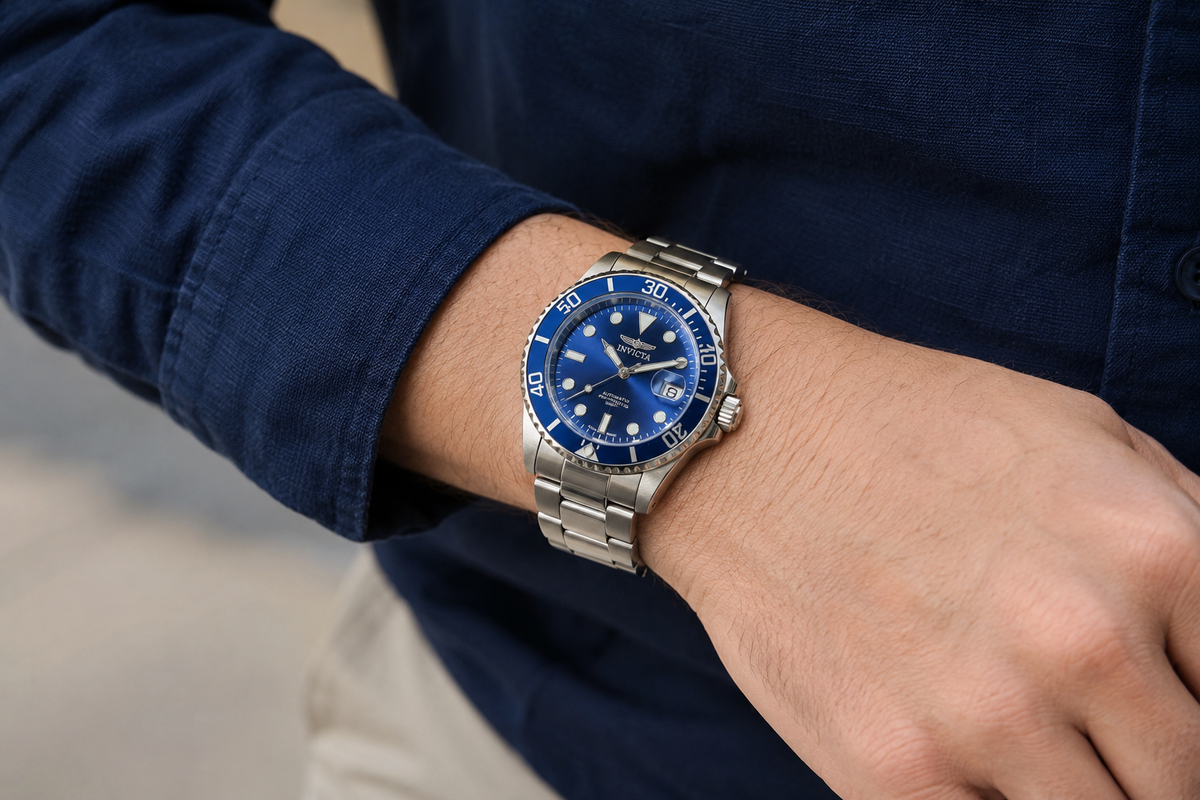
A smartwatch is particularly useful for people who value smartphone connectivity, activity records and access to digital functions from the wrist. A traditional watch, on the other hand, offers a simpler experience focused on timekeeping, design and personal style. Mechanical watches also provide an appreciation of traditional watchmaking that electronic wearables do not aim to replicate.
Some buyers enjoy owning both. They may use a smartwatch for workouts and busy weekdays while choosing a traditional watch for formal occasions or when they prefer to disconnect from notifications. Exploring automatic watches can introduce buyers to mechanical timekeeping, while the broader watch collection at Watches of Australia provides an opportunity to compare different styles and movements.
How to Compare Smartwatches Before Spending Your Money
Once you have identified your priorities, compare a shortlist of devices using the same criteria. Looking at specifications side by side makes it easier to identify meaningful differences and avoid paying extra for features that do not suit your routine.
Pay particular attention to the following:
| Buying consideration | What to check |
|---|---|
| Compatibility | Supported smartphone models and operating systems |
| Battery | Realistic usage estimates and charging requirements |
| Display | Screen size, brightness and outdoor readability |
| Fitness tracking | GPS, heart rate and supported workout profiles |
| Health functions | Available sensors and regional restrictions |
| Connectivity | Bluetooth, Wi-Fi and optional cellular support |
| Comfort | Case size, weight and strap options |
| Durability | Water resistance and manufacturer's care instructions |
| Software | Application support, updates and long-term compatibility |
| Cost | Purchase price and any optional subscriptions or data plans |
It is also sensible to check the manufacturer's warranty, repair arrangements and software support policy. A smartwatch is a connected electronic device, so its usefulness can depend on continued software updates and compatibility with newer smartphones. Understanding these considerations before checkout can help prevent disappointment after purchase.
Finding the Right Watch for Your Lifestyle
The best smartwatches are not necessarily the ones with the most sensors, the largest displays or the highest prices. A good purchase is one that works with your smartphone, feels comfortable on your wrist and provides functions you will actually use.
For everyday communication, prioritise reliable notifications and convenient controls. For exercise, look closely at GPS performance, workout options and battery life. If health tracking is your main motivation, research the limitations of each sensor and check whether the functions you want are available in your region.
At the same time, remember that connected technology is only one part of the wider watch market. Buyers who value traditional timekeeping, distinctive designs and different movement types can explore the collections available at Watches of Australia. The most satisfying choice is ultimately the watch that fits your needs, budget and personal sense of style.
Frequently Asked Questions
What are the best smart watches for everyday use?
The best option depends on your smartphone and daily requirements. Apple Watch models are worth considering for iPhone users, while Samsung Galaxy Watch and Google Pixel Watch models are popular options within the Android ecosystem. Garmin and other brands offer alternatives for buyers who prioritise fitness tracking or longer battery performance.
Can I use a smartwatch without a smartphone?
Yes, but the level of independence depends on the model. Many smartwatches can perform basic functions without a connected phone, while cellular versions may support calls, messages and online services independently when activated with a compatible mobile plan. Other features may still require initial phone setup or an internet connection.
How long should a smartwatch battery last?
There is no single standard battery life for all smartwatches. Some models are designed for approximately a day of use, while others can last several days or longer. GPS, cellular connectivity, screen brightness and continuous health monitoring can affect the actual runtime.
Are smartwatches accurate for heart rate monitoring?
Smartwatches use sensors to estimate heart rate, and results can be useful for general activity tracking. However, accuracy varies according to the device, how it is worn and the activity being performed. They should not be treated as a replacement for medical-grade equipment or professional assessment.
Can I swim while wearing a smartwatch?
Only if the specific model is rated for swimming and its manufacturer permits that use. Check the official water resistance guidance before entering a pool or open water. Not all water-resistant devices are designed for swimming.
Is GPS necessary in a smartwatch?
Built-in GPS is useful for people who want to record outdoor running, walking or cycling routes without carrying their phone. If you mainly use your watch for notifications, timekeeping and basic activity tracking, built-in GPS may not be essential.
Do all smartwatches work with both iPhone and Android?
No. Compatibility varies between manufacturers and individual models. Apple Watch models are designed for compatible iPhones, while many Wear OS devices require Android smartphones. Always check the manufacturer's supported devices and software requirements before buying.
Is a smartwatch better than a traditional wristwatch?
Neither is universally better. Smartwatches offer connectivity, digital applications and activity tracking, while traditional watches focus on timekeeping, craftsmanship and personal style. The right choice depends on what you expect from a watch and how you intend to wear it.

Written by Kareem Elboray