Beyond the Price Tag What Really Makes Expensive Watches Worth Considering
A watch can be as simple as an accessory, as simple as a piece of engineering or something that's just going to be worn for years and carry personal significance. At the top end of the market the difference between a fairly ordinary watch and a fairly expensive watch isn't always immediately apparent. You can have two watches with the same face and the same general design and they can be very different in terms of their movement, their materials, their construction, their finishing and the overall ownership experience.
To understand what makes a watch expensive you have to look beyond the brand name and the retail price. Some watches are expensive simply because of the complexity of the movement and the skill involved in making them, others are expensive due to the use of premium materials, the uniqueness of the design, the fact that they are made in very small numbers and/or the fact that they have a long standing reputation. For the buyer it's knowing where the money's going that enables you to separate out genuine quality from marketing and allows you to pick a watch that is in fact a watch you would be prepared to pay a premium for.
Key Takeaways
-
Expensive watches are priced on a number of factors: movement engineering, materials, level of craftsmanship, brand positioning and the method of manufacture.
-
Mechanical complications can add to the manufacturing complexity and will require extra specialist work.
-
Sapphire crystal, stainless steel, titanium and precious metals all have their own advantages depending on the application.
-
A reputable brand name in no way guarantees better performance or long term value.
-
Regular servicing, water resistance and day to day wearability should all be taken into account prior to buying.
-
Resale value is a function of demand, condition, rarity, provenance and the particular model rather than the original retail price.
-
The right watch should be the one that reflects the buyer's lifestyle, their preferences and their expectations. It shouldn't just be about the price.
What Separates an Expensive Watch from an Ordinary Timepiece
The price of a watch is more than just a reflection of its ability to tell the time. It's a reflection of the manufacturing methods, the movement development, the quality control, the materials and the finishing. A very simple quartz watch will do the job and do it at a very reasonable price, whereas a more sophisticated mechanical watch will obviously involve a lot more engineering and a lot more assembly.
Brand reputation is also an issue. The established watchmakers will have behind them decades, even centuries of design history, technical development and brand recognition. Prestige and manufacturing quality are not the same thing though. A well known luxury brand doesn't necessarily mean that every single thing about it is of the highest quality. You have to look at the actual specification. The best way to get a feel for the market is to look at different watch brands and their ranges.
The Movement Is Where Much of the Engineering Happens
One of the big differences between watches is the movement (the mechanism that actually keeps time and does the work of the watch). You've got quartz movements which use an electronic oscillator (the frequency of which is regulated by a quartz crystal) and mechanical movements which are all springs, gears and the like. Automatics are mechanical watches which are wound by the movement of the wearer's wrist.
Higher end mechanical movements can be very complicated indeed with a great deal of engineering and assembly involved. The addition of features such as chronographs, moon phases, perpetual calendars and tourbillons all add further mechanisms and hence further complexity to the movement. Some manufacturers will also produce their own movements (these are known as in house or manufacture calibres) although the term in house by itself doesn't necessarily equate to a better movement. If you're after the traditional mechanical watch then have a look at automatic watches to see how the movement is incorporated into the various designs.
Materials Influence Durability, Appearance and Price
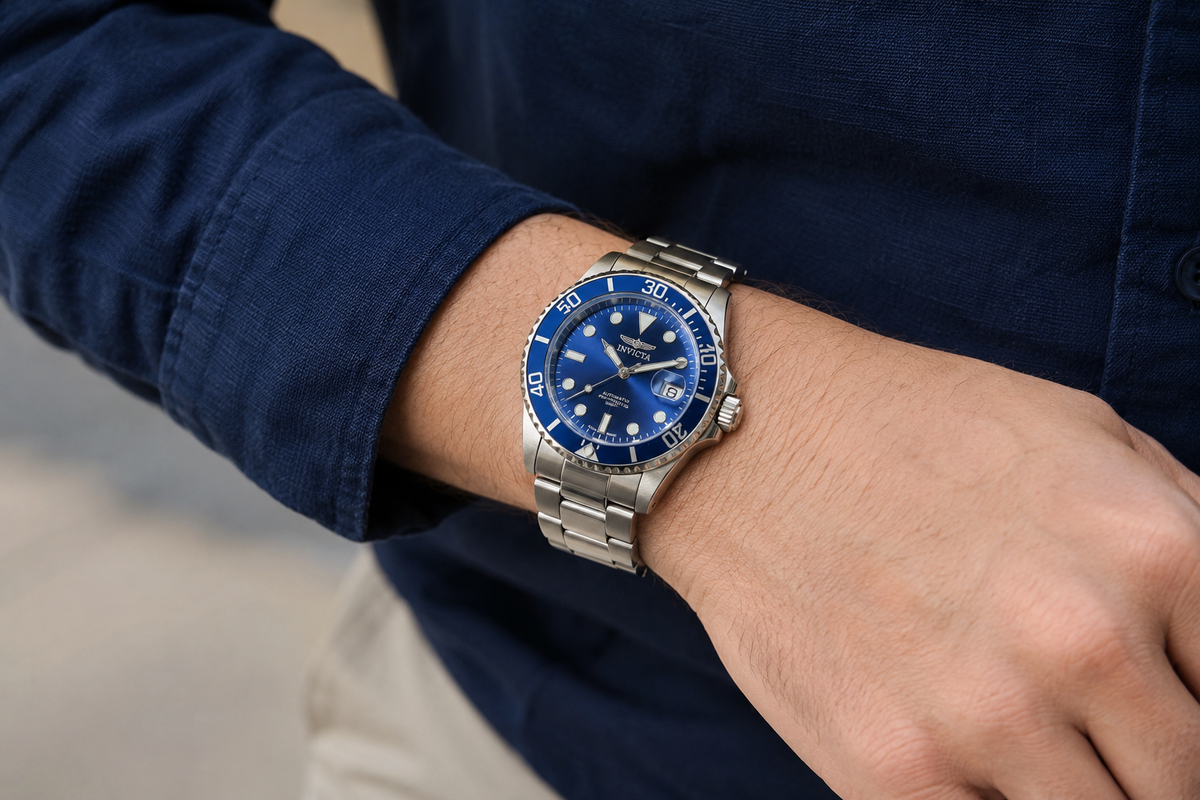
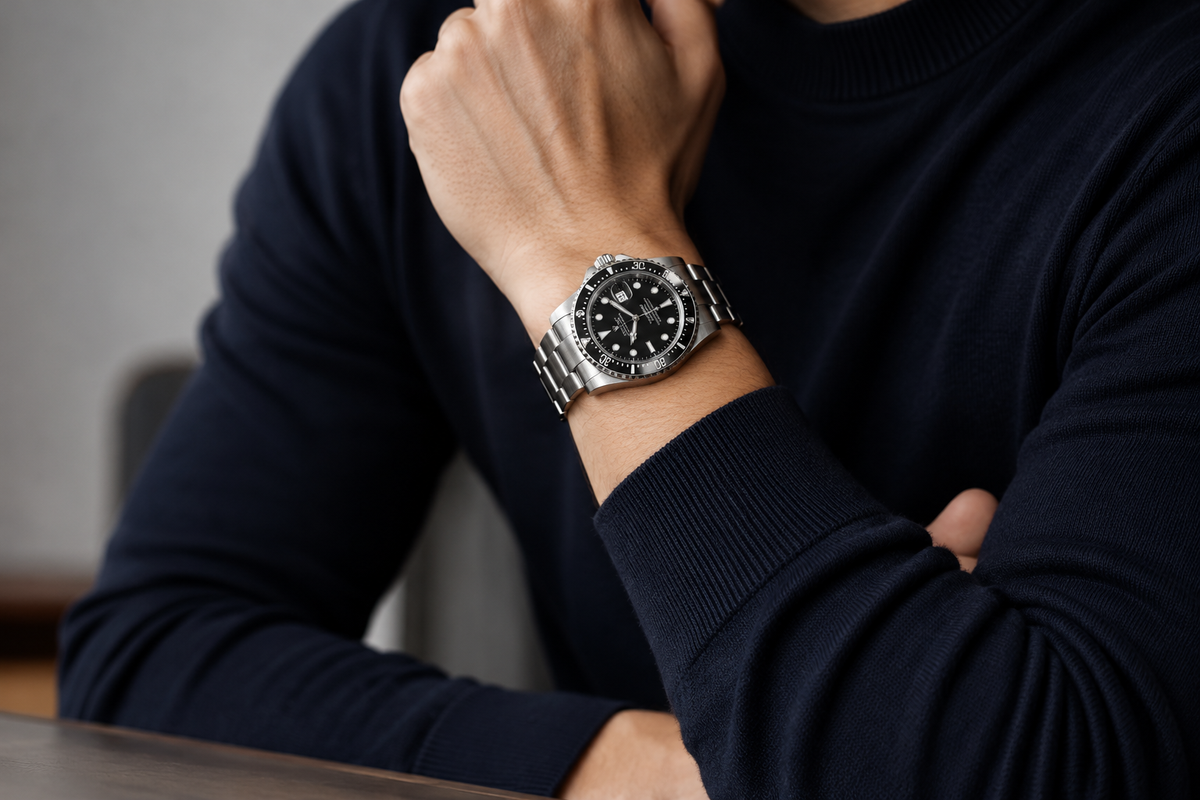
The materials used in a watch have an impact on its look, its comfort, its durability and its cost of manufacture. Stainless steel is probably the most common material used, largely due to its excellent combination of strength, corrosion resistance and general utility. Titanium is an alternative, again offering a good balance of lightness and strength. Gold and platinum are of course precious metals and will have a significant impact on the material cost.
The crystal on the dial is just as important. Sapphire crystal is highly regarded for its scratch resistance and is therefore a very common choice in higher end timepieces. Mineral glass is another very common option, a very practical compromise between cost and protection for day to day use. On the outside you can have ceramic bezels and cases which will offer excellent scratch resistance, though ceramic does require a very special kind of manufacture and is more prone to cracking under a sufficiently hard impact.
When you're looking at Seiko watches for instance you can go model by model and look at the differences in case materials, crystal specs, movement types and water resistance. That's a far more useful basis on which to compare them than just looking at the looks.
Complications Add More Than Extra Details to the Dial
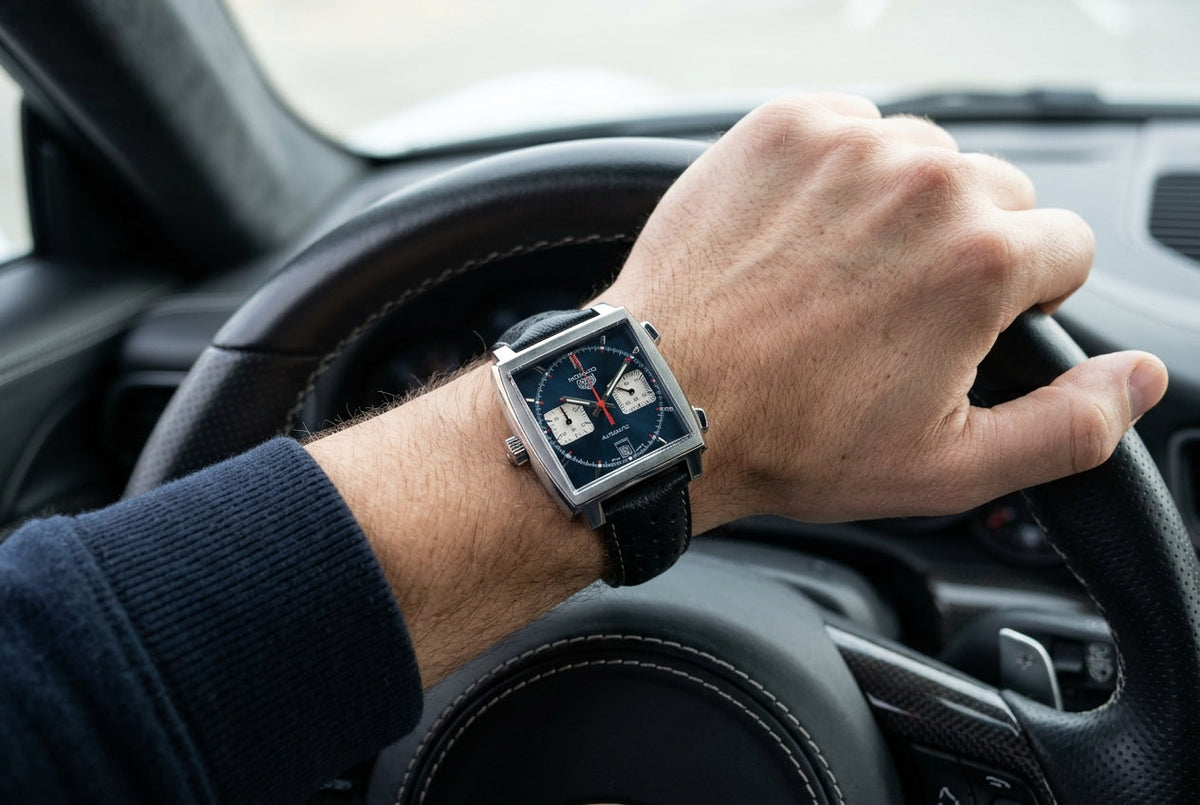
A complication is any function on a watch beyond the basic display of hours, minutes and seconds. Date indications, chronographs, GMT functions, moon phases and annual calendars are all fairly common examples. Some are clearly there for the sake of convenience in day to day life, others are more a demonstration of the skill of the watchmaker.
A chronograph for example has a stopwatch function which allows you to measure elapsed time separately from the normal time. A GMT watch will have an additional time zone indication which is useful for the frequent traveller or indeed anyone who works in more than one country. More complicated complications such as perpetual calendars and minute repeaters obviously need a great deal more complicated mechanism.
These extra functions can of course make the watch a more technically demanding and expensive piece to produce. They don't necessarily make it a better watch for everyone though. A person who just wants a reliable everyday watch may well find a simple three hand is the better proposition than a watch with all sorts of complications. Someone who likes the concept of timing can look at chronograph watches to get a feel for the various ways in which this useful function can be implemented.
Craftsmanship Is More Than What You See on the Surface
A good watch should be meticulously constructed with attention to detail right through. The hands and hour markers should be properly aligned, the dial finish should be consistent, the case edges should be good and the bracelet/strap should have a good feel. In the case of higher end mechanical watches the movement finishing can also be a significant factor with things like polishing, bevelling, engraving and various surface treatments being used.
These details take skill, time and specialist equipment. Some of the finishing techniques are purely decorative, others are there to improve the fit and the surface of the parts. The difference is important as a pretty watch is not necessarily a better watch in terms of engineering. You need to look at both the exterior and the movement spec.
Bracelet construction is another area to look at. Solid links, a secure clasp and properly finished connections all contribute to comfort and the wearing experience. A watch can look absolutely fantastic in a photo, but its real quality only comes into its own when you actually wear it. Having a browse through the men's watches and women's watches is a good way of comparing different case shapes, different bracelet styles and the various approaches to design.
Brand Heritage and Exclusivity Can Influence the Asking Price
A watchmaker's reputation can have a huge bearing on the price of the watch. A brand with a long standing in watchmaking may have developed a particular design language, a certain level of manufacturing knowhow and a very loyal following. Their watches can become iconic as a result of their case shapes, their movement families and their links to aviation, diving, motorsport and so on.
Exclusivity can also have an effect on pricing. Limited production, the need for specialist manufacture and high demand can all make certain references very hard to come by. On the second hand market a desirable model can occasionally sell for more than its original retail price (again this will be very much model dependent and subject to the state of the market at any given time).
It's vital to separate a watch's retail price from its actual resale value and its potential as a collectible. An expensive watch is no guarantee of an investment. Market fads can shift and a watch you buy today may be worth less tomorrow. You should buy a watch essentially as something you like and intend to wear, rather than as a potential investment.
What Buyers Should Check Before Spending More
A higher price should in fact lead you to look at the spec more closely rather than make you not look at the spec at all. Start with the bits that actually matter to you in day to day use. Case diameter, case thickness, case weight, strap material, crystal type, movement and water resistance rating. A big case might be all very well in theory but will feel very awkward on a small wrist. A highly polished bracelet is going to need a lot more attention to keep it looking good.
It's also important to bear in mind the practicalities of ownership. Mechanical watches will of course require periodic servicing and the recommended interval for this will vary according to the movement and the manufacturer's advice. Water resistance is not a permanent thing either and seals will inevitably wear out. Even watches with a very high water resistance rating will need to be looked after and checked from time to time.
Before you go ahead and buy, check the seller's authenticity policy, warranty, returns and after sales support. Find out whether the watch is new or second hand, whether the original documentation is included and whether the serial numbers are complete. For those of you looking at a number of different watches, the Watches of Australia collection is a good place to start when looking at the range of designs and specs available. It's also worth reading the store's authenticity and warranty information so you know what the coverage and terms are prior to ordering.
Finding a Watch That Deserves a Place in Your Collection
The best buy isn't necessarily the most expensive one. A well chosen watch can deliver excellent day to day performance, a very good design and the features that you actually need without you having to spend a fortune. For some people that means a mechanical watch with a visible movement. For others it may be the convenience of a quartz, a lightweight titanium case or a very versatile stainless steel bracelet.
It helps to have a realistic budget in place before you even start comparing models. Work out what you absolutely need and what you would just be happy to have as an extra. Will it be a watch you wear to work? Will it be a watch you take on holiday? Will it be a watch you wear to the office and to the formal events? A watch that is versatile enough to wear in a number of different situations may in fact be the more sensible option than a very specific model.
Ultimately you'll want to consider an expensive watch if its build, its features, its design and the ownership experience all match what you value. That's the only way you're going to get a purchase that you actually appreciate in the long term.
Frequently Asked Questions
What makes expensive watches so costly?
Several factors influence their prices, including movement complexity, materials, manufacturing techniques, skilled labour, finishing, brand reputation and production volume. The relative importance of each factor varies between watchmakers and individual models.
Are expensive watches always better than affordable watches?
No. A higher price does not automatically mean better accuracy, durability or everyday performance. Affordable quartz watches, for example, can offer excellent timekeeping accuracy. More expensive watches may provide advanced mechanical engineering, premium materials or specialised craftsmanship, but these features are not essential for everyone.
Do automatic watches cost more than quartz watches?
Automatic watches can cost more because their movements contain numerous mechanical components that require assembly and adjustment. However, pricing depends on the manufacturer, materials, features and overall construction. There are affordable automatic watches and expensive quartz watches.
Which materials should I look for in a quality watch?
Stainless steel is a versatile choice for everyday use, while titanium offers a lighter alternative. Sapphire crystal is desirable for its scratch resistance, and ceramic can provide a durable, scratch-resistant exterior. Gold and platinum are premium material options. The best choice depends on your preferences and how you intend to wear the watch.
Do expensive watches hold their value?
Some models retain their value or appreciate, but this is not guaranteed. Brand demand, rarity, production numbers, condition, provenance and market trends all influence resale prices. Buyers should not assume that an expensive watch will automatically become more valuable over time.
How often should an expensive watch be serviced?
There is no universal service interval for every watch. It depends on the movement, manufacturer and model. Owners should follow the manufacturer's maintenance recommendations and arrange an inspection if they notice changes in timekeeping, damage or problems with the crown or other functions.
Is a Swiss-made watch automatically better?
No. Swiss watchmaking has an established reputation, but the country of manufacture alone does not determine a watch's overall quality. Movement performance, construction, materials, quality control and after-sales support are all important considerations. Watches made in other countries can also offer excellent engineering and reliability.
What should I check when buying an expensive watch online?
Check the seller's reputation, authenticity guarantee, warranty terms, return policy and product specifications. Confirm the exact model reference, condition, included accessories and whether the watch comes with its original documentation. Avoid relying solely on promotional photographs or a heavily discounted retail price when making a purchasing decision.

Written by Kareem Elboray